“Gut health” has become a popular phrase, but what does it actually mean? And where do probiotics fit in? Let us break it down in simple words, with a focus on the foods already found in most Indian kitchens.
Your gut: a busy community
Your digestive tract is home to a huge number of tiny living organisms, mostly bacteria, along with some yeasts. Together, they are called the gut microbiota. This community helps break down food, especially fibre, and works closely with the body every day. A varied diet and healthy habits help keep this community balanced.
What are probiotics?
The International Scientific Association for Probiotics and Prebiotics (ISAPP) defines probiotics as “live microorganisms that, when administered in adequate amounts, confer a health benefit on the host.”
Three ideas are packed into that definition:
- Live: the microorganisms must be alive when you consume them.
- Adequate amounts: there must be enough of them.
- A benefit: the specific strain should have been studied for a benefit.
ISAPP also points out that different strains have different effects. So “probiotic” is not one single thing. It is a family of different microorganisms.
What are prebiotics?
If probiotics are the helpful microbes, prebiotics are their food. In FSSAI’s words, prebiotic ingredients are non-viable food components that support health by modulating the gut microbiota. Common prebiotic fibres include fructo-oligosaccharides (FOS) and inulin, and foods such as onions, garlic, bananas and whole grains naturally contain some of these fibres.
When a product combines probiotics and prebiotics, it is often called a “synbiotic” or a “pre & probiotic” formula.
Gut-friendly foods in the Indian diet
Traditional Indian food already offers many options:
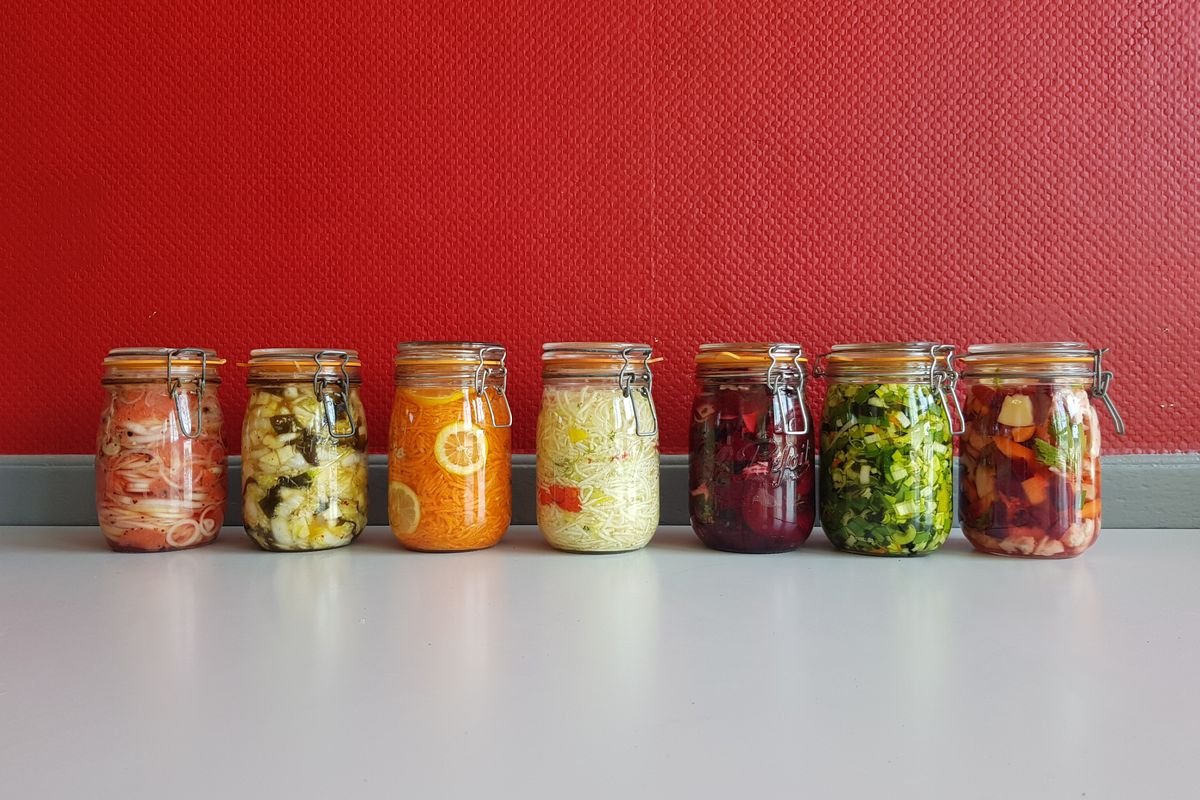
Fermented foods
- Homemade curd (dahi) and buttermilk (chaas, mor)
- Idli, dosa and appam batters, which are naturally fermented
- Dhokla and other fermented snacks
- Kanji and other traditional fermented drinks
Note that not every fermented food contains live probiotic cultures in adequate amounts, and cooking usually reduces live cultures. Still, these foods are a wholesome part of a varied diet.
Fibre-rich foods
- Whole grains and millets such as ragi, jowar and bajra
- Pulses and legumes: dal, rajma, chana
- Vegetables, especially onions, garlic and leafy greens
- Fruits such as banana, guava and papaya
The ICMR-NIN Dietary Guidelines for Indians (2024) encourage plenty of vegetables, fruits, pulses and whole grains, which are naturally rich in fibre.
Everyday habits for gut wellness
- Eat at regular times and avoid very large, late-night meals.
- Drink enough water through the day.
- Stay active: even a 15-minute walk after meals is a good habit.
- Sleep well and manage stress where you can.
- Limit highly processed and deep-fried foods.
Reading a probiotic supplement label
If you and your doctor decide a probiotic supplement may suit you, check the label for:
- Names of the organisms, such as Bacillus clausii or Saccharomyces boulardii.
- The count, usually written as CFU (colony forming units) or spores per serving.
- Prebiotic content, such as FOS, if any.
- Storage instructions: live cultures are sensitive to heat and moisture, so follow them carefully.
- Veg or non-veg symbol, as capsule shells may be gelatin-based.
- FSSAI licence number and the “NOT FOR MEDICINAL USE” statement.
A word of care
ISAPP notes that probiotics are likely to be safe for generally healthy people, but anyone with a serious medical condition, especially one involving the digestive tract or the immune system, should speak to a doctor first. If you are taking any medicine, ask your doctor about timing too.
The takeaway
Gut wellness starts in the kitchen: curd, fermented batters, fibre-rich grains, pulses, fruits and vegetables, along with water, movement and good sleep. A probiotic supplement can be one more option, chosen with your doctor, as part of a balanced diet.
Explore on Ginomeds: Imbiota Pre & Probiotic Capsules (probiotic cultures with Saccharomyces boulardii, FOS (prebiotic) & Zinc) · Imbiota-LF (Bacillus clausii spores with Lactoferrin)
This article is for general information only and is not medical advice. Nutritional supplements are not intended to diagnose, treat, cure or prevent any disease. Please consult your doctor before starting any supplement, especially if you are pregnant, nursing, or taking medication.